
• MAIN PAGE
  • LATEST NEWS
    • Lost Cities
    • Archaeology's Greatest Finds
    • Underwater Discoveries
    • Greatest Inventions
    • Studies
    • Blog
  • PHILOSOPHY
  • HISTORY
  • RELIGIONS
    • Africa
    • Anatolia
    • Arabian Peninsula
    • Balkan Region
    • China - East Asia
    • Europe
    • Eurasian Steppe
    • Levant
    • Mesopotamia
    • Oceania - SE Asia
    • Pre-Columbian Civilizations of America
    • Iranian Plateau - Central Asia
    • Indus Valley - South Asia
    • Japan
    • The Archaeologist Editor Group
    • Scientific Studies
    • Aegean Prehistory
    • Historical Period
    • Byzantine Middle Ages
    • Predynastic Period
    • Dynastic Period
    • Greco-Roman Egypt
  • Rome
  • PALEONTOLOGY
  • About us
Menu

The Archaeologist

  • MAIN PAGE
  • LATEST NEWS
  • DISCOVERIES
    • Lost Cities
    • Archaeology's Greatest Finds
    • Underwater Discoveries
    • Greatest Inventions
    • Studies
    • Blog
  • PHILOSOPHY
  • HISTORY
  • RELIGIONS
  • World Civilizations
    • Africa
    • Anatolia
    • Arabian Peninsula
    • Balkan Region
    • China - East Asia
    • Europe
    • Eurasian Steppe
    • Levant
    • Mesopotamia
    • Oceania - SE Asia
    • Pre-Columbian Civilizations of America
    • Iranian Plateau - Central Asia
    • Indus Valley - South Asia
    • Japan
    • The Archaeologist Editor Group
    • Scientific Studies
  • GREECE
    • Aegean Prehistory
    • Historical Period
    • Byzantine Middle Ages
  • Egypt
    • Predynastic Period
    • Dynastic Period
    • Greco-Roman Egypt
  • Rome
  • PALEONTOLOGY
  • About us

The Myth of the Hydra

February 26, 2025

Greek myth of the Hydra is one of the most famous tales in mythology, depicting the monstrous multi-headed serpent that Heracles faced as part of his Twelve Labors. Known as the Lernaean Hydra, this creature symbolized chaos, resilience, and the perpetual struggle against adversity.

According to legend, the Hydra was a fearsome beast that dwelled in the swamp of Lerna. It possessed multiple heads, with the horrifying ability to regenerate two heads for every one that was severed. Additionally, its breath and blood were highly toxic, making it an even deadlier opponent. The Hydra was said to be the offspring of Typhon and Echidna, two of the most fearsome creatures in Greek mythology.

The Hydra's place in the Labors of Heracles came as the second of his twelve tasks, assigned by King Eurystheus. Heracles, accompanied by his nephew Iolaus, engaged in a fierce battle with the beast. Realizing that cutting off its heads only made the situation worse, Heracles devised a new strategy. While he severed each head, Iolaus cauterized the wounds with a burning torch, preventing regeneration. Ultimately, Heracles overcame the Hydra by burying its immortal central head under a massive rock, ensuring its permanent defeat. He then dipped his arrows in the Hydra’s poisonous blood, making them lethal weapons for future battles.

Symbolically, the Hydra represents the idea of persistent challenges—problems that seem to multiply when tackled head-on. This concept is often applied in modern contexts, from personal struggles to societal issues. Additionally, the myth highlights the necessity of strategy, teamwork, and innovation when confronting difficult obstacles.

The legend of the Hydra has endured through centuries, inspiring literature, art, and philosophy. Its influence can be seen in various modern narratives, from fantasy fiction to psychological studies on resilience. As one of the most iconic creatures of Greek mythology, the Hydra remains a potent symbol of the human struggle against overwhelming odds.

← The Symbolism of the Ankh in Ancient EgyptThe Role of Honey in Ancient Medicine →
Featured
488657894_575421028886902_4044781128690692493_n (1).jpg
Aug 16, 2025
“Denny,” the Denisovan–Neanderthal Girl: why one small bone changed the story of our mixed human past
Aug 16, 2025
Read More →
Aug 16, 2025
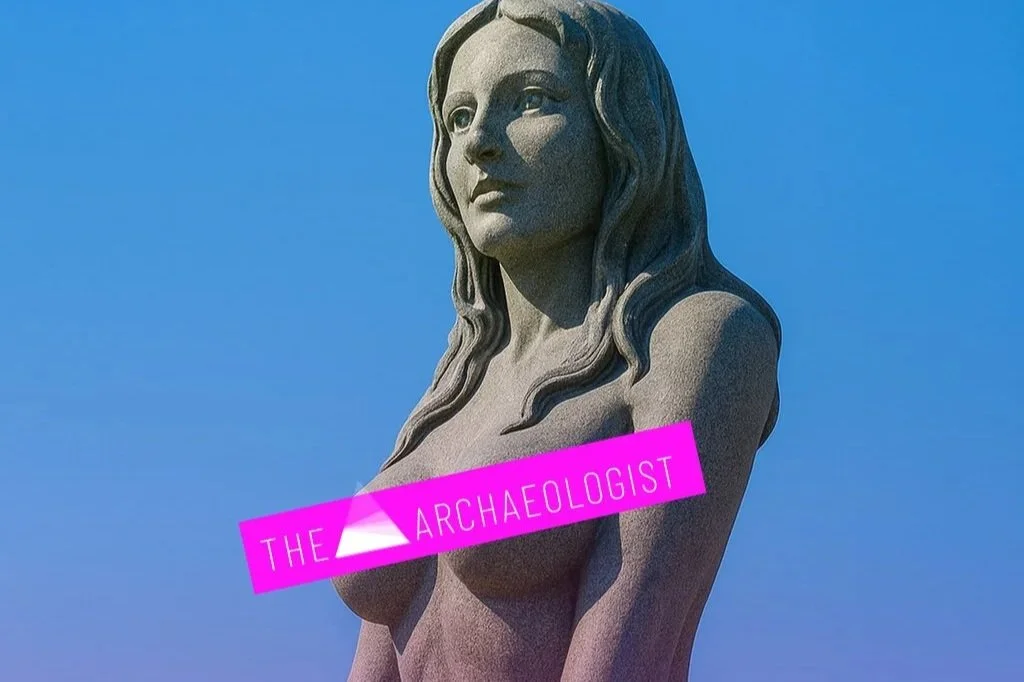
Denmark to remove Copenhagen’s “pornographic and very primitive” mermaid statue
Aug 16, 2025
Denmark to remove Copenhagen’s “pornographic and very primitive” mermaid statue
Aug 16, 2025
Read More →
Aug 16, 2025
Στιγμιότυπο οθόνης 2025-08-11 011206.png
Aug 11, 2025
The Limestone Icarus Memorial of Poland: Nazi Ambition Carved in Stone
Aug 11, 2025
Read More →
Aug 11, 2025
Nemea_-_Temple_of_Zeus (1).jpg
Aug 9, 2025
10 Overlooked but Unforgettable Archaeological Sites in Greece to Explore This Summer
Aug 9, 2025
Read More →
Aug 9, 2025
Early_migrations_mercator.svg.png
Aug 8, 2025
Cro-Magnon DNA, Out of Africa, and the Myths That Won’t Die
Aug 8, 2025
Read More →
Aug 8, 2025
εικόνα_2025-08-08_212250261.png
Aug 8, 2025
Koalas Have Fingerprints Almost Identical to Ours — Here’s Why That’s Astonishing
Aug 8, 2025
Read More →
Aug 8, 2025
read more

Powered by The archaeologist