• MAIN PAGE
  • LATEST NEWS
    • Lost Cities
    • Archaeology's Greatest Finds
    • Underwater Discoveries
    • Greatest Inventions
    • Studies
    • Blog
  • PHILOSOPHY
  • HISTORY
  • RELIGIONS
    • Africa
    • Anatolia
    • Arabian Peninsula
    • Balkan Region
    • China - East Asia
    • Europe
    • Eurasian Steppe
    • Levant
    • Mesopotamia
    • Oceania - SE Asia
    • Pre-Columbian Civilizations of America
    • Iranian Plateau - Central Asia
    • Indus Valley - South Asia
    • Japan
    • The Archaeologist Editor Group
    • Scientific Studies
    • Aegean Prehistory
    • Historical Period
    • Byzantine Middle Ages
    • Predynastic Period
    • Dynastic Period
    • Greco-Roman Egypt
  • Rome
  • PALEONTOLOGY
  • About us
Menu

The Archaeologist

  • MAIN PAGE
  • LATEST NEWS
  • DISCOVERIES
    • Lost Cities
    • Archaeology's Greatest Finds
    • Underwater Discoveries
    • Greatest Inventions
    • Studies
    • Blog
  • PHILOSOPHY
  • HISTORY
  • RELIGIONS
  • World Civilizations
    • Africa
    • Anatolia
    • Arabian Peninsula
    • Balkan Region
    • China - East Asia
    • Europe
    • Eurasian Steppe
    • Levant
    • Mesopotamia
    • Oceania - SE Asia
    • Pre-Columbian Civilizations of America
    • Iranian Plateau - Central Asia
    • Indus Valley - South Asia
    • Japan
    • The Archaeologist Editor Group
    • Scientific Studies
  • GREECE
    • Aegean Prehistory
    • Historical Period
    • Byzantine Middle Ages
  • Egypt
    • Predynastic Period
    • Dynastic Period
    • Greco-Roman Egypt
  • Rome
  • PALEONTOLOGY
  • About us

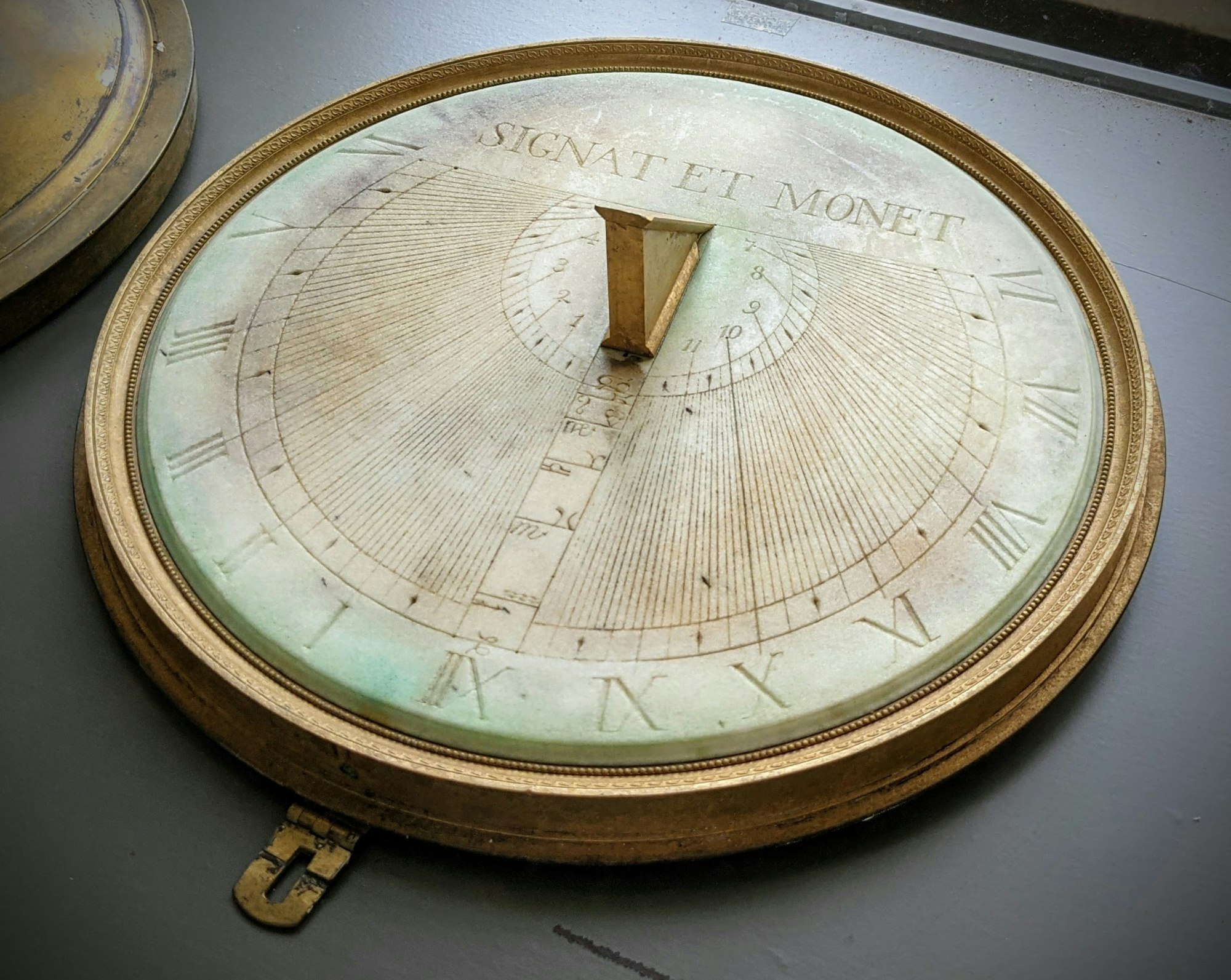
The Ancient Science of Timekeeping and Sundials

December 9, 2025

Development of Sundials and Solar Timekeeping

Sundials first appeared in ancient Egypt and Babylon, using the movement of shadows to divide the day into hours. Egyptians built massive obelisks that doubled as monumental timekeepers. Greeks later refined sundials to account for seasonal changes in sunlight, creating curved and portable designs. Romans spread sundials throughout their empire, integrating solar timekeeping into everyday life and public spaces.

Star-Based and Lunar Measurement Systems

Many cultures used stars and lunar phases to measure longer cycles. The Babylonians meticulously tracked constellations to predict seasons and astronomical events. Polynesian navigators used star charts to journey across the open ocean. Chinese astronomers recorded lunar cycles to create early calendars, while Mesopotamians connected moon phases to religious festivals and agricultural tasks.

Calendar Formation and Cultural Significance

Early calendars reflected the needs of farming societies. Egyptians relied on the heliacal rising of Sirius to predict the Nile flood. The Mayans created intricate systems combining solar cycles, ritual periods, and astronomical observations. These calendars influenced governance, religious ceremonies, and social identity, showing how timekeeping shaped entire civilizations.
← The Forgotten Pyramids of Sudan: The Kingdom of KushThe Lost Knowledge of the Ancient Alchemists →
Featured
image_2025-12-11_012445697.png
Dec 10, 2025
The Mythical Land of Hyperborea
Dec 10, 2025
Read More →
Dec 10, 2025
image_2025-12-11_012051907.png
Dec 10, 2025
The Ancient Boomerangs of Aboriginal Australia
Dec 10, 2025
Read More →
Dec 10, 2025
image_2025-12-11_012001576.png
Dec 10, 2025
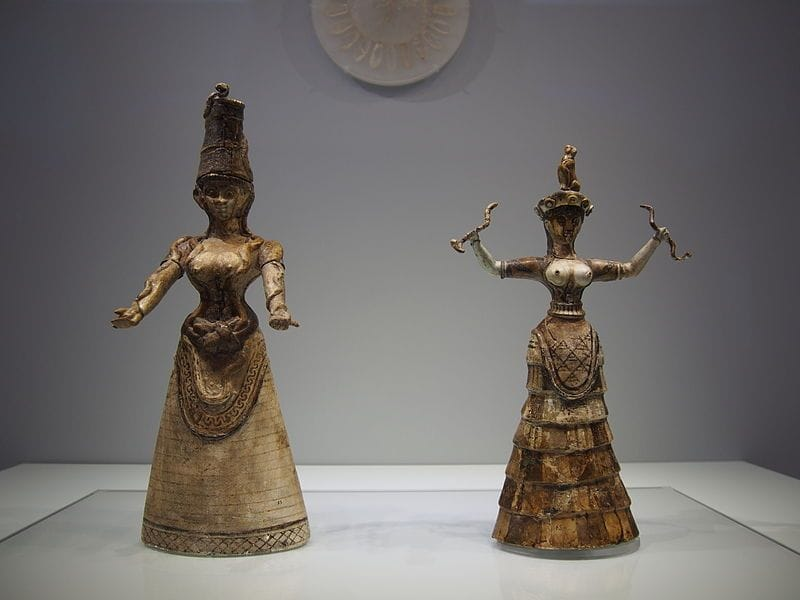
The Minoan Snake Goddess: Power and Fertility
Dec 10, 2025
Read More →
Dec 10, 2025
image_2025-12-11_011135742.png
Dec 10, 2025
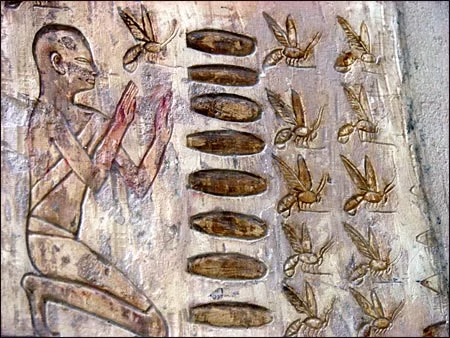
The Sacred Role of Honey in Ancient Civilizations
Dec 10, 2025
Read More →
Dec 10, 2025
image_2025-12-11_011057052.png
Dec 10, 2025
The Astronomical Precision of Stonehenge
Dec 10, 2025
Read More →
Dec 10, 2025
image_2025-12-11_010947156.png
Dec 10, 2025
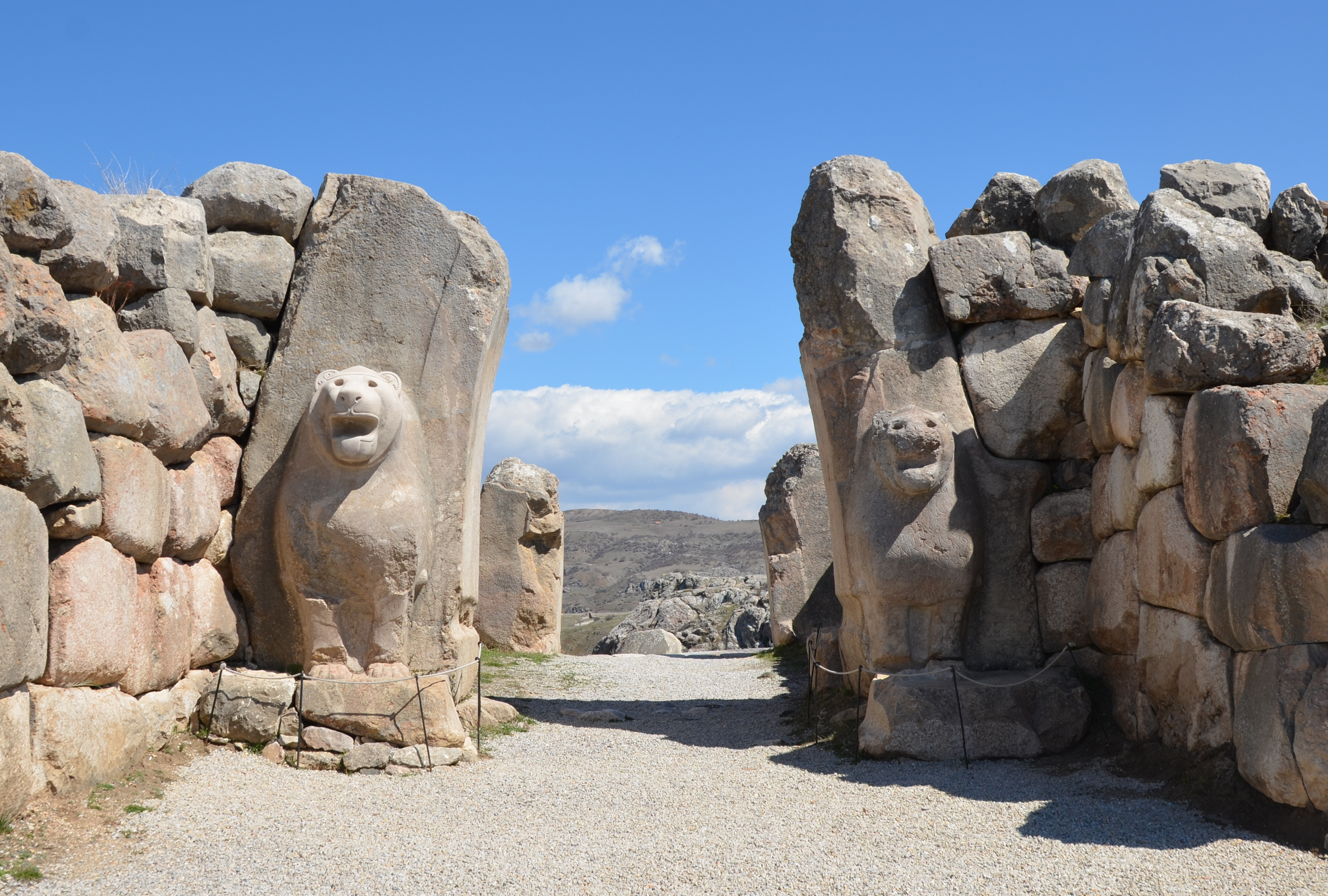
The Forgotten City of Hattusa: Capital of the Hittite Empire
Dec 10, 2025
Read More →
Dec 10, 2025
read more

Powered by The archaeologist