• MAIN PAGE
  • LATEST NEWS
    • Lost Cities
    • Archaeology's Greatest Finds
    • Underwater Discoveries
    • Greatest Inventions
    • Studies
    • Blog
  • PHILOSOPHY
  • HISTORY
  • RELIGIONS
    • Africa
    • Anatolia
    • Arabian Peninsula
    • Balkan Region
    • China - East Asia
    • Europe
    • Eurasian Steppe
    • Levant
    • Mesopotamia
    • Oceania - SE Asia
    • Pre-Columbian Civilizations of America
    • Iranian Plateau - Central Asia
    • Indus Valley - South Asia
    • Japan
    • The Archaeologist Editor Group
    • Scientific Studies
    • Aegean Prehistory
    • Historical Period
    • Byzantine Middle Ages
    • Predynastic Period
    • Dynastic Period
    • Greco-Roman Egypt
  • Rome
  • PALEONTOLOGY
  • About us
Menu

The Archaeologist

  • MAIN PAGE
  • LATEST NEWS
  • DISCOVERIES
    • Lost Cities
    • Archaeology's Greatest Finds
    • Underwater Discoveries
    • Greatest Inventions
    • Studies
    • Blog
  • PHILOSOPHY
  • HISTORY
  • RELIGIONS
  • World Civilizations
    • Africa
    • Anatolia
    • Arabian Peninsula
    • Balkan Region
    • China - East Asia
    • Europe
    • Eurasian Steppe
    • Levant
    • Mesopotamia
    • Oceania - SE Asia
    • Pre-Columbian Civilizations of America
    • Iranian Plateau - Central Asia
    • Indus Valley - South Asia
    • Japan
    • The Archaeologist Editor Group
    • Scientific Studies
  • GREECE
    • Aegean Prehistory
    • Historical Period
    • Byzantine Middle Ages
  • Egypt
    • Predynastic Period
    • Dynastic Period
    • Greco-Roman Egypt
  • Rome
  • PALEONTOLOGY
  • About us

The Role of Astronomy in Ancient Navigation

December 7, 2025

How Sailors Used the Stars to Cross the Seas

Long before compasses, sailors looked to the night sky for guidance.

Finding Direction by the Stars

Navigators used fixed stars, especially Polaris, to determine north. They gauged latitude by measuring a star’s height above the horizon using simple tools like knotted ropes or early astrolabes.

Reading Winds and Seasons

Ancient mariners learned how seasonal winds behaved. In the Indian Ocean, predictable monsoons allowed ships to travel across great distances with remarkable reliability.

Star Maps and Oral Tradition

Cultures like the Polynesians memorized star paths—patterns of rising and setting stars used to travel between islands. Their navigation combined astronomy, wave patterns, clouds, and bird behavior.

A Science Born from Necessity

Astronomy made global travel possible, enabling trade, exploration, and cultural exchange.
← The Sacred Temples of Ancient Malta: Older Than the PyramidsThe Forgotten Language of the Etruscans →
Featured
image_2025-12-07_224159633.png
Dec 7, 2025
The Role of the Nile River in the Birth of Egyptian Civilization
Dec 7, 2025
Read More →
Dec 7, 2025
image_2025-12-07_224016560.png
Dec 7, 2025
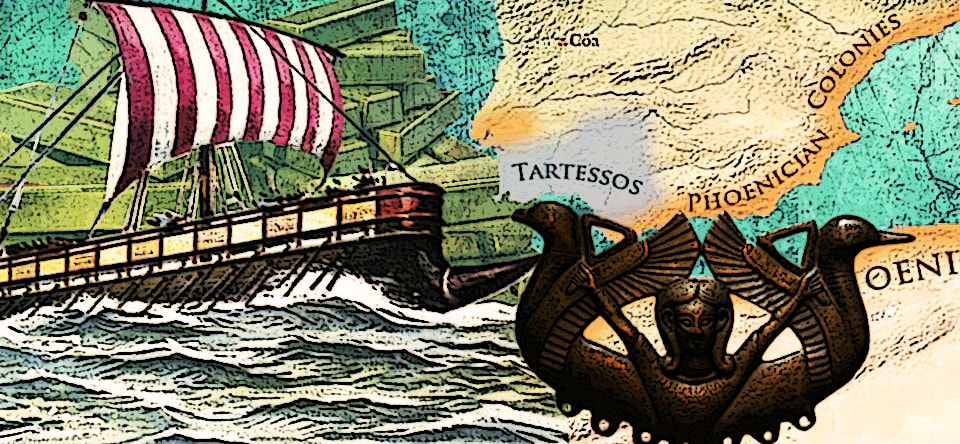
The Lost Kingdom of Tartessos: Spain's Ancient Atlantis
Dec 7, 2025
Read More →
Dec 7, 2025
image_2025-12-07_223754940.png
Dec 7, 2025
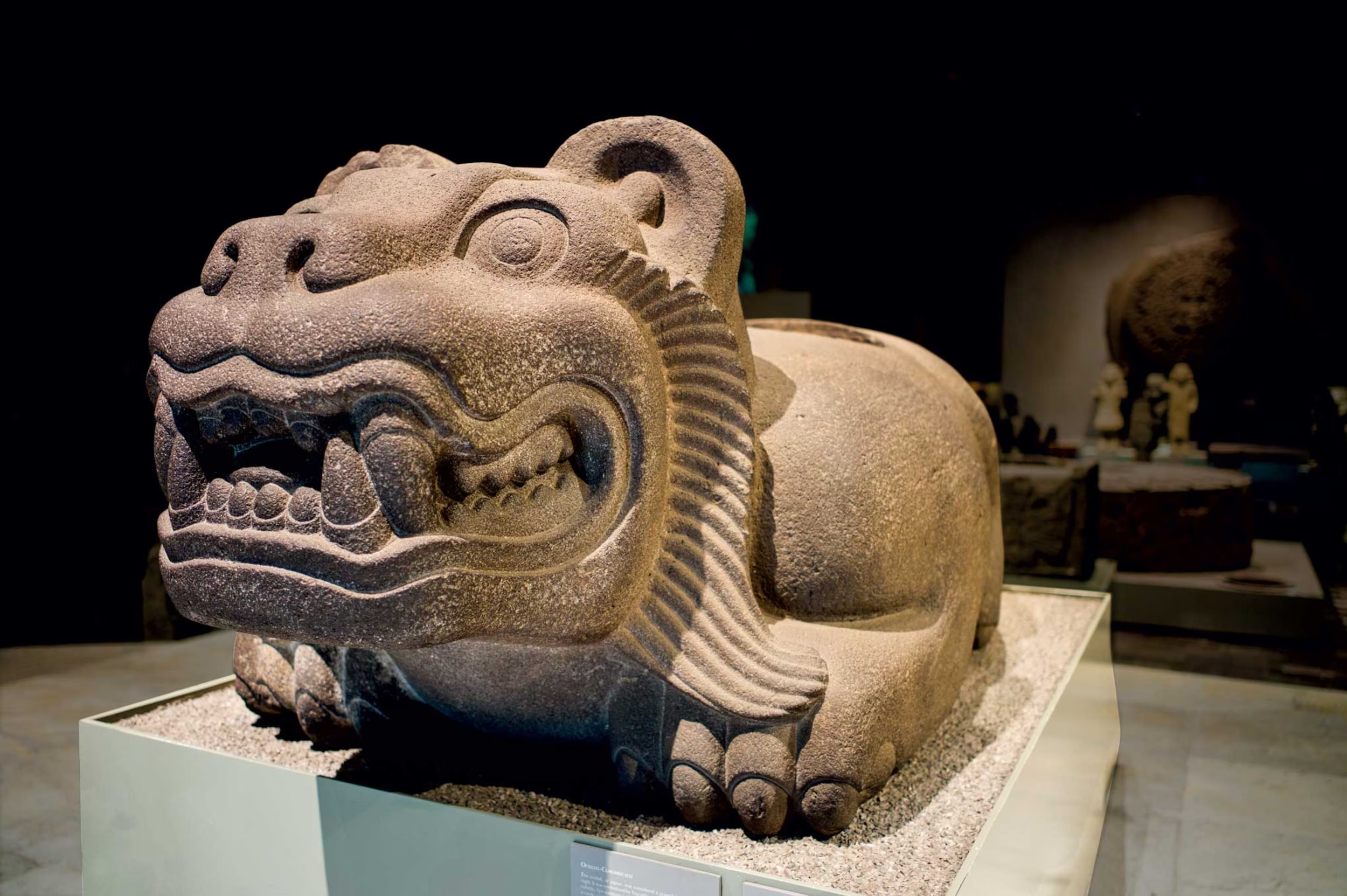
The Role of the Jaguar in Ancient Mesoamerican Mythology
Dec 7, 2025
Read More →
Dec 7, 2025
image_2025-12-07_223320623.png
Dec 7, 2025
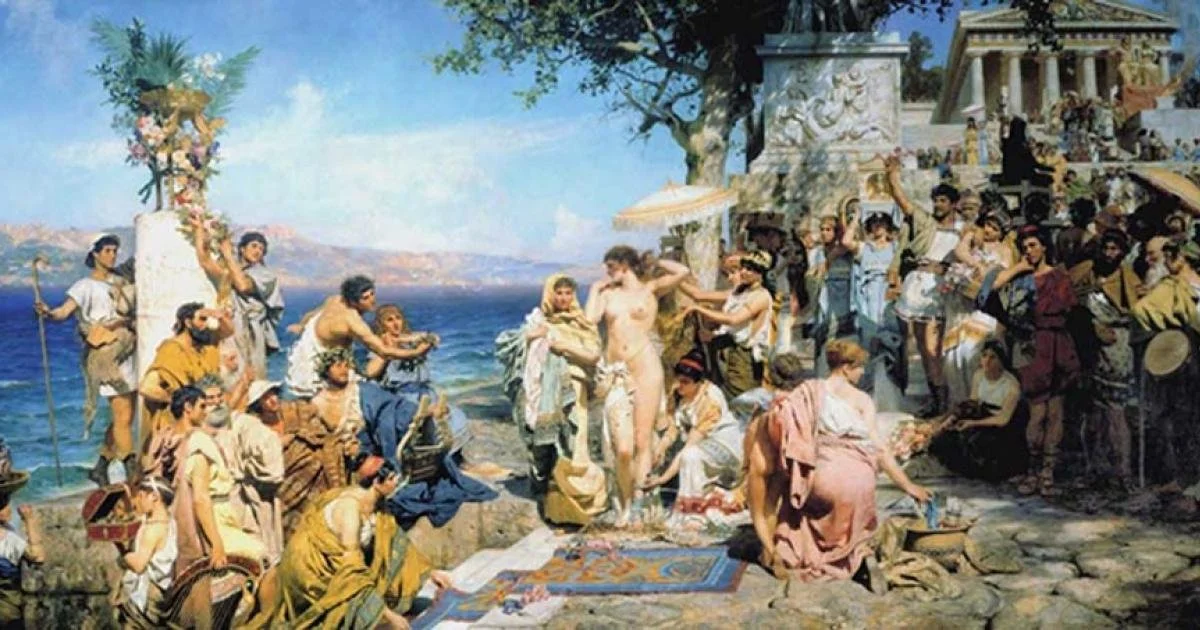
The Secret Rites of the Eleusinian Mysteries
Dec 7, 2025
Read More →
Dec 7, 2025
image_2025-12-07_222717905.png
Dec 7, 2025
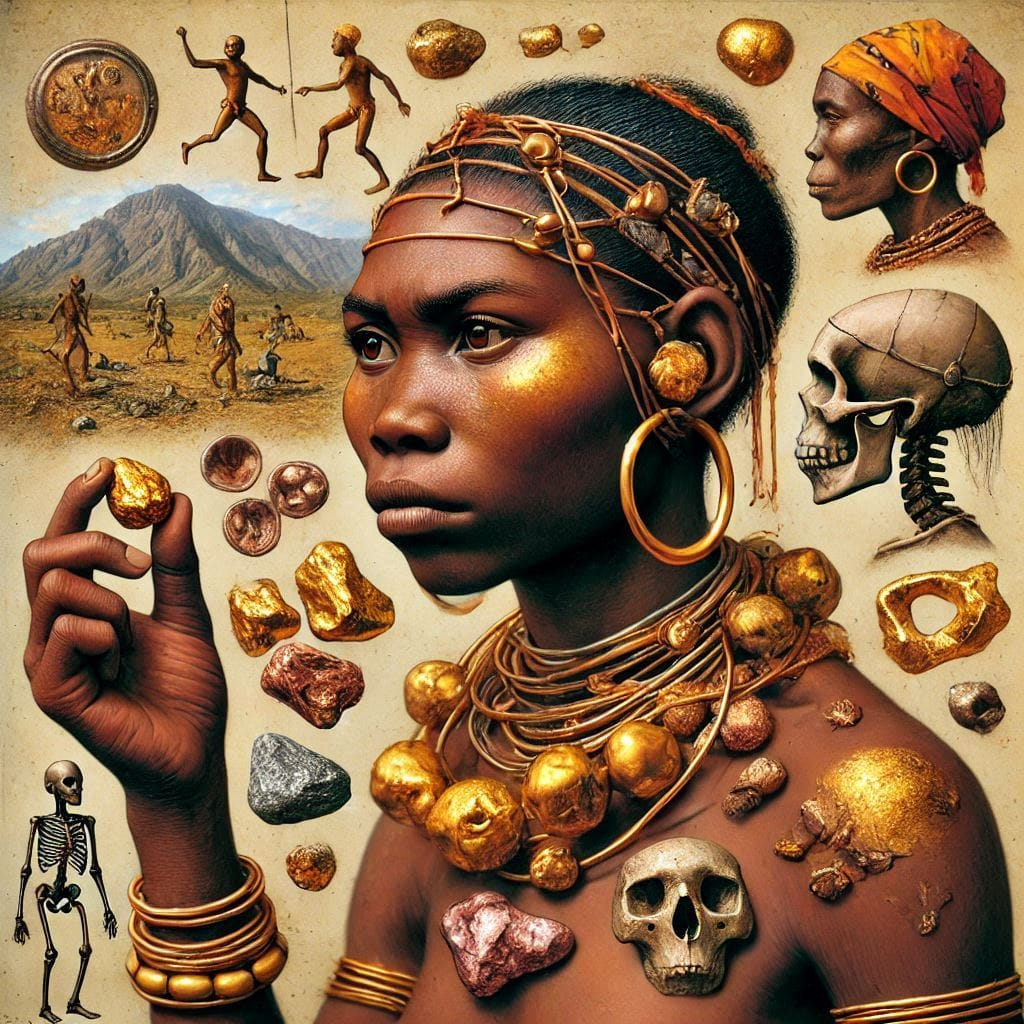
The Ancient Science of Metallurgy and Weapon Crafting
Dec 7, 2025
Read More →
Dec 7, 2025
image_2025-12-07_222634278.png
Dec 7, 2025
The Role of the Sacred River Ganges in Ancient Hinduism
Dec 7, 2025
Read More →
Dec 7, 2025
read more

Powered by The archaeologist